
Camping isn’t just an outdoor hobby — it’s one of the most powerful natural ways to improve your mental health. From reducing stress and anxiety to improving sleep, focus, and emotional wellbeing, research shows that spending time outdoors has measurable psychological benefits.
If you’ve ever returned from a camping trip feeling calmer, clearer, and happier, there’s real science behind it. Here’s what research says about the proven mental health benefits of camping and why spending time in nature helps your brain reset.
🧠 Camping Reduces Stress and Lowers Cortisol
One of the strongest proven benefits of camping is stress reduction.
Studies show that time spent in natural environments lowers cortisol — the body’s primary stress hormone. Lower cortisol levels help reduce anxiety, tension, and mental fatigue.
Research supported by the American Psychological Association shows exposure to nature helps regulate stress responses and promotes emotional balance.
Why camping reduces stress:
- Less sensory overload than urban environments
- Calming natural sounds and scenery
- Slower pace of living
- Fewer daily pressures and distractions
Even short outdoor experiences can significantly reduce stress levels.
😊 Camping Improves Mood and Reduces Anxiety
Spending time in nature has been shown to reduce negative thinking and improve emotional wellbeing. Natural environments decrease brain activity linked to rumination — repetitive thoughts connected to anxiety and depression.
Psychological benefits include:
- Improved mood
- Reduced anxiety symptoms
- Increased sense of calm
- Better emotional regulation
Sunlight exposure, fresh air, and physical activity all contribute to these improvements.
🌞 Camping Improves Sleep and Resets Your Body Clock
Camping helps reset your natural circadian rhythm — especially when you’re exposed to natural daylight and limited artificial light.
Research from the University of Colorado Boulder found that camping can reset sleep cycles, increase melatonin production, and improve overall sleep quality.
Sleep benefits from camping:
- Falling asleep faster
- Deeper sleep quality
- Better energy levels
- Improved mental clarity
Better sleep directly supports mental health and emotional stability.
🌳 Camping Improves Focus and Mental Clarity
Nature helps restore attention and reduce mental fatigue — a concept known as attention restoration theory. Modern life constantly demands focus through screens, notifications, and noise, which exhausts the brain.
Camping provides a break from this overload.
Proven cognitive benefits:
- Improved concentration
- Better memory performance
- Increased creativity
- Enhanced problem-solving ability
Many campers experience clearer thinking after just a few days outdoors.
💪 Camping Builds Confidence and Mental Resilience
Camping naturally challenges you to solve problems and adapt to new environments. Setting up shelter, cooking outdoors, and handling weather conditions build independence and confidence.
Emotional growth benefits:
- Greater self-confidence
- Stronger adaptability
- Increased independence
- Improved resilience to stress
These experiences strengthen long-term psychological wellbeing.
🌿 Camping May Reduce Symptoms of Depression
Regular exposure to nature is linked to lower rates of depressive symptoms and higher life satisfaction. Outdoor experiences help people reconnect with their environment and reduce feelings of isolation.
Public health initiatives from the National Park Service highlight strong links between outdoor recreation and improved mental health outcomes.
🧘 Camping Reduces Mental Fatigue and “Brain Overload”
Modern environments constantly demand attention, leading to cognitive exhaustion. Nature provides what psychologists call “soft fascination” — gentle stimulation that allows the brain to recover.
Results include:
- Reduced mental exhaustion
- Better decision-making
- Increased mental energy
- Improved emotional balance
Camping creates space for mental recovery that’s difficult to achieve in everyday environments.
🤝 Camping Strengthens Social Connection
Camping with family or friends increases bonding and emotional connection through shared experiences, cooperation, and problem-solving.
Stronger relationships are one of the biggest predictors of long-term happiness and mental health.
🌍 Camping Provides Perspective and Life Balance
Many campers report feeling more grounded, grateful, and mentally refreshed after spending time outdoors. Being in nature helps shift focus away from daily stress and encourages reflection.
This often leads to:
- Greater gratitude
- Clearer thinking
- Improved life perspective
- Stronger sense of meaning
⭐ Why Camping Is So Powerful for Mental Health
Camping combines multiple mental health benefits at once:
✔ Nature exposure
✔ Sunlight and fresh air
✔ Physical activity
✔ Reduced screen time
✔ Quiet environments
✔ Slower pace of life
Few activities provide this many psychological benefits simultaneously.
⏱ How Much Time Outdoors Is Needed?
Research suggests:
- 20–30 minutes in nature improves mood
- Weekend camping trips significantly reduce stress
- Regular outdoor exposure produces long-term benefits
You don’t need extreme wilderness — even short camping trips can improve mental wellbeing.
🏕️ Final Thoughts — Why Camping Is Good for Your Mental Health
Camping is more than adventure or recreation — it’s a powerful tool for mental wellness. From lowering stress and improving sleep to boosting focus and emotional resilience, the psychological benefits of camping are supported by growing scientific research.
If you want a natural way to reset your mind, reduce anxiety, and improve your wellbeing, spending time outdoors may be one of the simplest and most effective solutions.
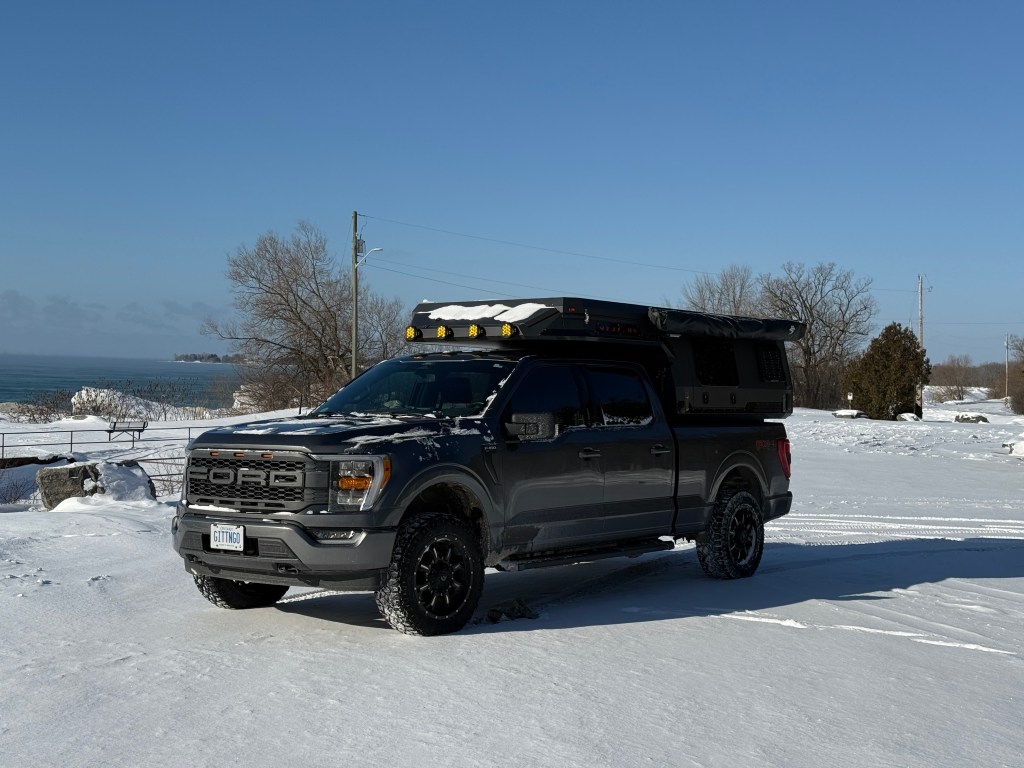
At GITT N GO, we believe better living starts outside.
Check out Our Youtube for videos of our adventures and gear reviews https://www.youtube.com/@gittngo
Gear From Amazon

Coleman Trailhead II Large Folding Cot with Easy Setup & Takedown

2 Pack Lightweight Camping Chairs, 300LBS Heavy-Duty Portable Folding Chairs with Carry Bag,

 GITT N GO
Leave a comment