

There’s something special about fall camping. The crisp morning air, colourful leaves, peaceful campgrounds, and the smell of a campfire on a cool evening make autumn one of the best times to get outdoors.
Here at GITT N GO, fall is one of our favourite times of year to pack up the truck camper and head into the wilderness. The summer crowds have thinned out, the bugs are usually less bothersome, and the scenery can be absolutely breathtaking.
But fall camping also comes with challenges that can catch even experienced campers off guard.
Temperatures can drop below freezing overnight, daylight disappears earlier, and unpredictable weather can turn a comfortable weekend into a miserable or even dangerous experience if you’re not prepared.
Whether you’re camping in a tent, travelling in a truck camper, or heading off-grid for a weekend adventure, proper preparation is the key to staying safe and comfortable.
Here are our essential tips for preparing for a safe fall camping trip.
1. Check the Weather — and Prepare for Worse

One of the biggest mistakes fall campers make is assuming that a beautiful sunny afternoon means a comfortable night.
In places like Ontario, daytime temperatures can be surprisingly mild, but once the sun goes down, temperatures can drop dramatically.
Before heading out, check the forecast for your exact camping location, not just the nearest city.
Pay close attention to:
- Overnight low temperatures and wind chill.
- Rain, freezing rain, or early snowfall.
- Wind speeds and severe weather warnings.
- Sunrise and sunset times.
- Road conditions, especially in remote areas.
GITT N GO Tip: Always pack for temperatures colder than the forecast predicts. If the forecast calls for 5°C overnight, make sure your sleeping equipment can comfortably handle temperatures below freezing.
Remember, weather forecasts change. Check again before leaving and have a backup plan if conditions deteriorate.
2. Dress in Layers — Staying Dry Is Just as Important as Staying Warm

When it comes to fall camping, dressing properly can make all the difference.
Instead of relying on one heavy jacket, dress in layers that allow you to adjust as temperatures change throughout the day.
Base Layer: Wear moisture-wicking clothing that helps keep sweat away from your skin. Merino wool or synthetic materials are excellent choices.
Mid Layer: Add an insulating layer such as fleece or a lightweight insulated jacket to help retain body heat.
Outer Layer: A windproof and waterproof jacket protects against cold winds, rain, and unexpected weather.
Don’t forget warm socks, waterproof boots, gloves, and a toque.
Avoid cotton as your main cold-weather layer. Once cotton becomes wet, it loses much of its insulating ability and can leave you feeling cold.
GITT N GO Tip: Always bring a complete set of dry clothes reserved specifically for sleeping. Climbing into bed wearing damp clothing is a quick way to ruin a cold autumn night.
3. Make Sure Your Tent or Camper Is Ready for Cold Weather

Not all camping shelters are designed to handle colder temperatures.
If you’re tent camping, inspect your tent before leaving. Check the seams, rainfly, poles, zippers, and guy lines for damage.
Use a tent suitable for the expected conditions, stake it securely, and choose a campsite sheltered from strong winds.
If you’re using a truck camper like we do at GITT N GO, there are additional things to consider.
Before heading out, inspect:
- Roof seals, windows, and weatherstripping.
- Heating equipment and ventilation.
- Battery capacity and charging systems.
- Water lines and plumbing that could freeze.
- Carbon monoxide and smoke alarms.
- Emergency exits and fire extinguishers.
One lesson we’ve learned from testing truck campers in colder weather is that a camper being advertised as four-season doesn’t automatically mean every system is ready for freezing temperatures.
Insulation, ventilation, heating, and proper installation all play an important role.
Always test your equipment before relying on it in the wilderness.
4. Understand Safe Heating and Ventilation

Staying warm is important, but heating equipment must be used correctly.
Portable heaters, diesel heaters, and built-in camper heating systems all have different safety requirements.
Improper installation, poor ventilation, or damaged exhaust systems can create serious hazards.
Follow these essential safety practices:
- Use heating equipment only in spaces and configurations approved by the manufacturer.
- Never use outdoor-only heaters, camp stoves, grills, or generators inside a tent or camper.
- Install working carbon monoxide alarms wherever fuel-burning equipment is used in an enclosed camper.
- Keep combustible materials away from heaters.
- Have diesel and propane heating systems professionally installed and inspected when appropriate.
- Never block required ventilation openings.
- Never use a generator inside or near windows, doors, or air intakes.
Carbon monoxide is particularly dangerous because you cannot see or smell it.
GITT N GO Tip: Before every cold-weather trip, test your carbon monoxide detector and check your heating system for proper operation. A warm camper is great, but a safe camper is essential.
5. Invest in a Proper Sleeping System

Even with a good shelter, your sleeping setup is one of the most important parts of staying comfortable.
For tent campers, a quality sleeping bag and insulated sleeping pad are essential.
Look for a sleeping bag with an appropriate comfort rating for your expected overnight temperatures. Don’t confuse a sleeping bag’s survival or extreme rating with its comfort rating.
Your sleeping pad matters just as much. The cold ground can draw heat away from your body throughout the night.
Look for an insulated pad with an R-value suitable for cold-weather camping.
For truck campers, use appropriate bedding and make sure your heating and insulation systems are functioning properly.
Bring an extra blanket or insulated quilt as a backup.
GITT N GO Tip: Never depend entirely on a heater to stay warm overnight. Your sleeping system should provide adequate protection if your heater stops working.
6. Prepare for Shorter Days and Longer Nights
One of the most overlooked challenges of fall camping is how quickly darkness arrives.
During summer, you might have daylight until 9 PM. By late October in Ontario, the sun can set before 6 PM.
That means less time to set up camp, cook meals, gather supplies, or explore the surrounding area.
Plan to arrive at your campsite with plenty of daylight remaining.
Make sure you have reliable lighting, including headlamps, lanterns, and backup batteries.
For those who enjoy hiking or exploring after dinner, carry a flashlight and know the route back to camp.
Avoid depending solely on your phone for navigation or emergency lighting.
7. Be Prepared for Wet Conditions

Fall weather can be unpredictable, and rain combined with cold temperatures can quickly become uncomfortable.
Waterproof storage bags, tarps, and dry clothing can make a tremendous difference.
Keep sleeping bags, spare clothing, electronics, and emergency supplies protected from moisture.
Choose campsites on well-drained ground and avoid low-lying areas where water collects.
Never camp in dry creek beds or flood-prone areas, even when the weather seems clear.
For truck campers, watch for condensation on windows and interior walls.
Cooking, breathing, and wet clothing all introduce moisture into enclosed spaces.
Proper ventilation helps reduce condensation and keeps the interior more comfortable.
8. Plan Your Meals and Stay Hydrated

One of our favourite parts of camping at GITT N GO is cooking outdoors.
There’s something about a hearty meal on a chilly autumn evening that makes food taste even better.
Fall is the perfect time for soups, stews, chili, pasta, and other warm meals.
Prepare ingredients at home when possible to reduce cooking time and cleanup.
Bring extra food in case weather delays your return.
And don’t forget to drink water.
People often drink less when temperatures are cooler, but staying hydrated remains important.
Protect drinking water from freezing and store food securely away from wildlife.
GITT N GO Tip: Prepare at least one easy meal that requires minimal cooking. If you arrive late or the weather turns unpleasant, you’ll be glad you did.
9. Be Aware of Wildlife and Hunting Seasons

Fall is an active time for wildlife, and in many regions it also overlaps with hunting seasons.
Animals may be feeding heavily in preparation for winter, while deer and other wildlife may be more active around roads and wooded areas.
Store food and scented items securely according to campground rules and local wildlife guidance.
Never feed wildlife or leave food unattended.
If you’re hiking in areas where hunting is permitted, check local hunting seasons and access restrictions. Wearing highly visible clothing can help others see you.
Stick to designated trails whenever possible, and let someone know where you’re going.
10. Have an Emergency Plan Before Leaving Home

Even experienced campers can encounter unexpected situations.
A dead battery, sudden snowstorm, equipment failure, or unexpected road closure can quickly change your plans.
Before leaving, tell someone where you’re camping and when you expect to return.
Carry an emergency kit that includes:
- First aid supplies.
- Flashlights and spare batteries.
- Emergency blankets and extra warm clothing.
- Drinking water and additional food.
- A fully charged phone and power bank.
- Offline maps or a dedicated GPS device.
- A satellite communication device for remote areas without cellular service.
- Basic vehicle recovery and repair equipment appropriate to your trip.
If you’re travelling off-grid, remember that cellular reception can be unreliable or nonexistent.
Always know where the nearest accessible road, emergency service, or populated area is located.
11. Inspect Your Vehicle Before the Trip
If you’re truck camping, your vehicle is just as important as your shelter.
Before heading out, inspect your tires, brakes, battery, windshield wipers, and fluid levels.
Make sure your tires are appropriate for the expected weather and road conditions.
Check your spare tire and verify that your recovery equipment is accessible.
If you’re carrying a slide-in truck camper, confirm that all mounting hardware and tie-downs are properly secured and that the vehicle remains within its rated weight limits.
Cold temperatures can also reduce battery performance, so check your starting battery and auxiliary power systems before leaving.
A little preparation at home can prevent a major headache miles away from help.
12. Know When to Change Your Plans

Perhaps the most important fall camping safety tip is knowing when conditions are becoming unsafe.
Camping should be an adventure, but there’s no reason to push through dangerous conditions just to complete a trip.
Severe weather, unsafe road conditions, equipment failures, or inadequate heating are all good reasons to change plans or head home.
If someone shows signs of hypothermia, such as uncontrollable shivering, confusion, or unusual drowsiness, seek emergency medical assistance and move them to a warm, sheltered location.
There’s always another weekend to go camping.
Why We Love Fall Camping at GITT N GO

Despite the extra preparation, fall remains one of our favourite camping seasons.
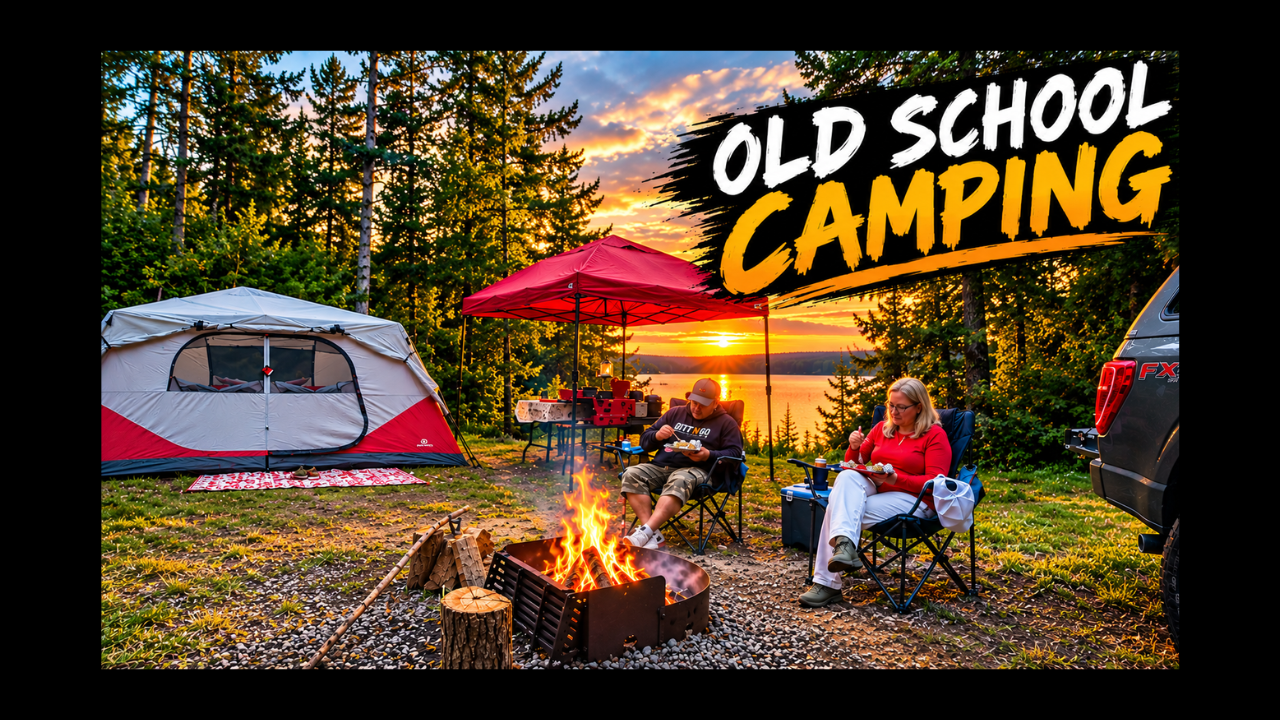
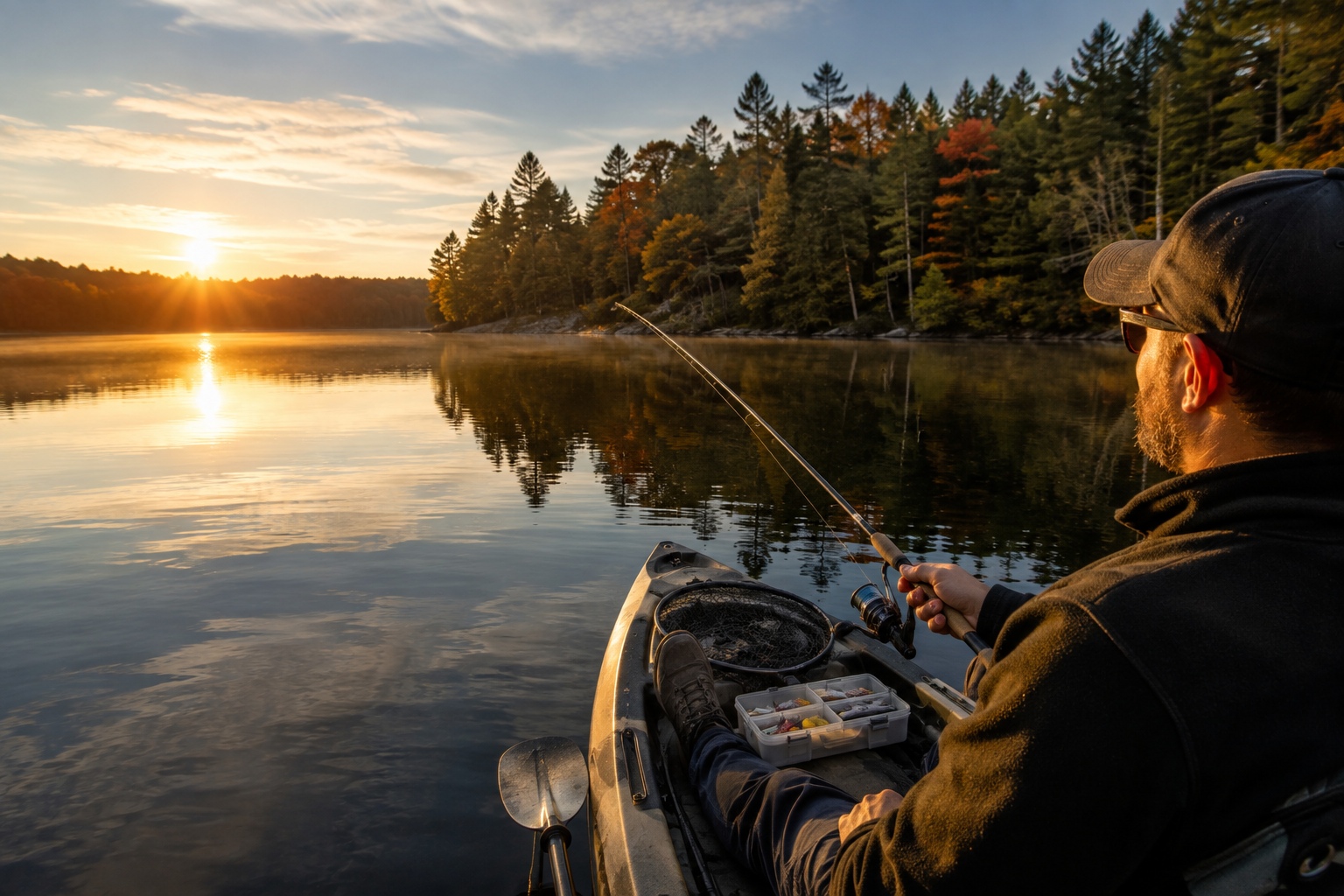
There’s something incredibly peaceful about sitting beside a campfire on a cool evening, listening to the wind move through the trees, and waking up to a mist-covered lake surrounded by autumn colours.
The campgrounds are quieter, the scenery is incredible, and those cool evenings make a warm meal and a comfortable sleeping setup feel even more rewarding.
We’ve learned through our own camping adventures that the best experiences don’t necessarily come from having the most expensive equipment.
They come from understanding your gear, preparing for the conditions, and knowing your limits.
Whether you’re heading out in a tent, rooftop tent, travel trailer, or truck camper, fall camping can provide some of the most memorable outdoor experiences of the year.
The secret is simple: prepare for the unexpected, respect the weather, and never compromise on safety.
So pack your warm clothes, check your equipment, grab your favourite campfire meal, and get ready to enjoy everything autumn has to offer.
From all of us at GITT N GO, stay safe, stay warm, and remember:
Get in the truck and get outdoors!
Get Lost the Right Way!
More Camping Adventures with GITT N GO
Looking for more camping tips, truck camper adventures, outdoor cooking ideas, and honest camping gear reviews?
Follow our adventures and discover equipment we use on our trips.
Website: https://gittngo.com/
YouTube: GITT N GO YouTube Channel
Instagram Facebook : @gittngo
Camping Gear: Browse our Amazon recommendations through the links on our website and YouTube channel or visit our Amazon Store . https://www.amazon.com/shop/gittngo


Leave a Reply